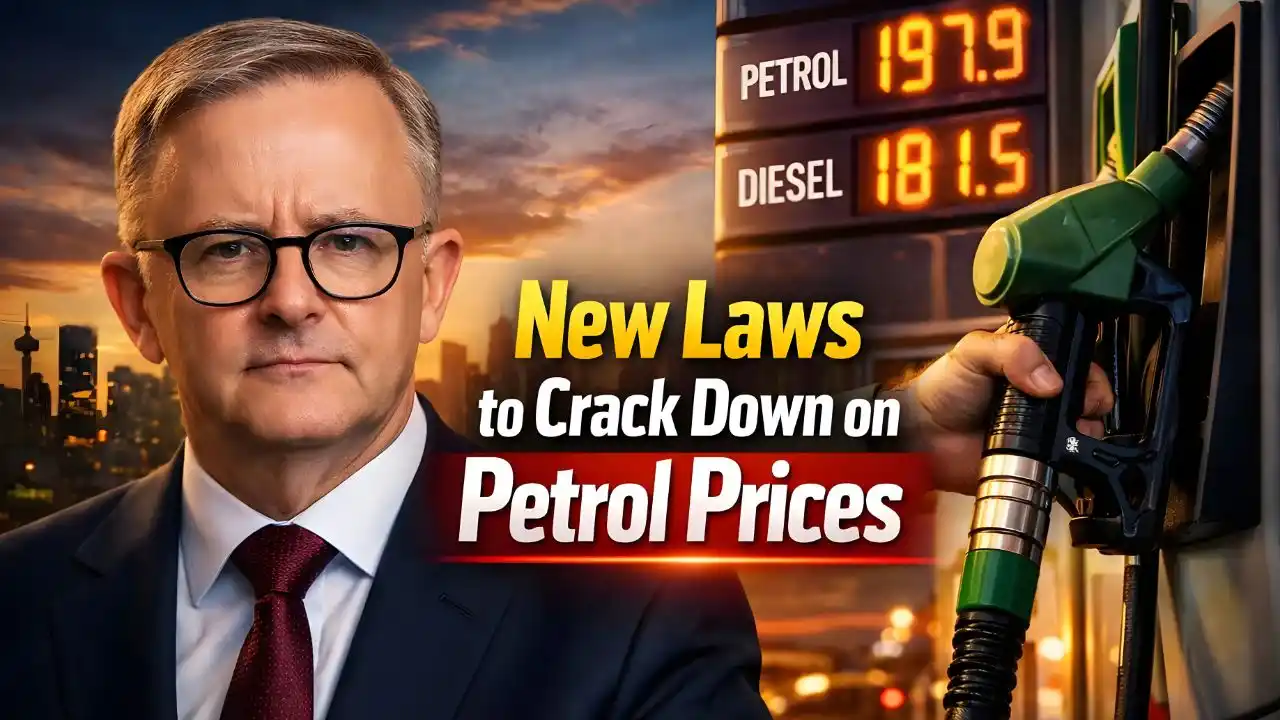
In 2026, legislation was introduced designed to address rising petrol prices and to bring transparency to the fuel marketplace. Whilst many reports cite price controls in the strictest terms, much of what they contain is nothing more than legislation that stops unfair practices from arising and does not actually seek to have fuel prices determined.
What Actually Happens Under the New Law
The regulations considerably empower scrutiny forces against companies operating in the market. This is meant to make sure that the companies involved in the trade play fair with the public-interest groups with no raising of concerns on misleading or anticompetitive behavior.
Price control was introduced as one of the acts that impacted regulations of these affairs, so fuel prices were not to be controlled in essence.
A Tougher Act on Retailers for Misconduct
One of the most significant changes calls for harsher sanctions to be imposed on companies infringing competition law. Companies engaging in price fixing, cartel behaviour or deceptive pricing will now risk few very high penalties.
The primary aim of this provision is to deter large fuel companies from making use of market conditions or exploiting consumers for their commercial interests when demand is high and supplies are tight.
Focus on Pricing Transparency and Fair Competition
There has been a strong element of transparency in the new reforms. The fuel retailers must divulge an explanation for price increments and make sure that such practices are not misleading.
The authorities are better equipped to own up to and act upon sudden petrol price spikes if unfair conduct is detected.
Why Were These Changes Introduced?
The legislation came amid great public concern about massive hikes in petrol prices across the country. So many Australians wonder if the price rises are necessary, especially given the disruptions caused by global supply.
The government has taken steps to enforce the law vigorously to restore confidence and protect consumers.
What This Law Does Not Do
Generally, the whole essence lies in understanding the fact that the reform does not give the government the jurisdiction to reduce prices. Oil prices pertinent to petrol in Australia are subject to the influence of global oil markets, fluctuation in the exchange rate, and general commodity supply.
A ceiling is missing; hence, prices may continue to rise or fall according to market scenarios.
What It Means to Australians
And while it does not mean cheaper petrol prices, it guarantees consumers more protection if pricing is less justifiable. For uses, that might mean more affordable petrol prices as long as companies are willing to be responsible.
The issue at hand is long-term justice over the constricted and urgent when it comes to price reductions.
Conclusion
The 2026 gasoline regulation’s significant step toward accountability in the fuel market. Now, the government targets misbehavior and modifies the fight against corruption rather than regulating price.