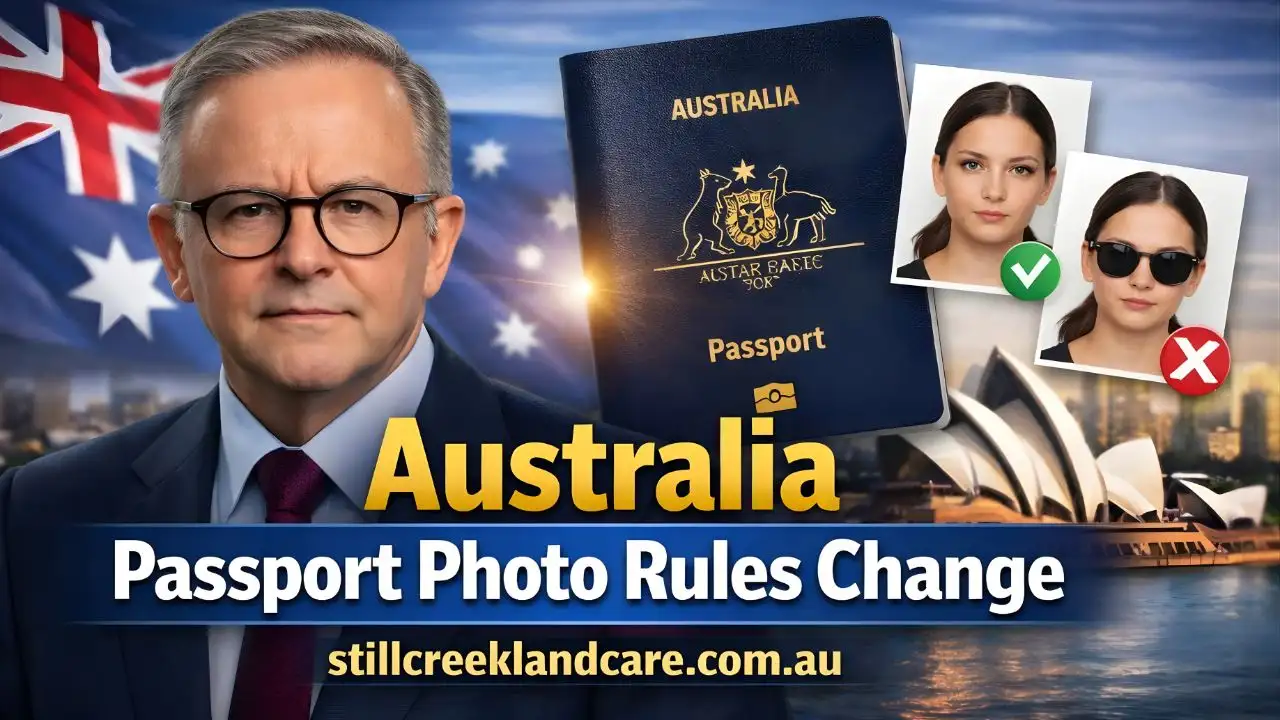
As of 2026, the photo norms for passport checks have emerged in Australia, taking more heed of biometric precision and identity security. Generally, the rules remain roughly the same, but the smallest error may lead to delays or outright rejection of an application for a passport for which the photograph is intended.
Greater Degree of Biometric Leverage
Narrowed specifications call for passport photos to meet more stringent prerequisites for their association with facial recognition software. The viewing face must be visible, centered, evenly lit and free of any shadows or inflections of lights.
An individual’s eyes must be open, and the individual must maintain a closed mouth. However, any mild change could deem the photo rejected at the time of verification.

Ban on Attention-Seeking Posture and Processed Photos
The biggest implementation in 2026 is the rejection/deletion of allegedly doctored portraits with extreme surety. To be whatsoever recognizable to you, the image must be unfiltered, untouched, and psychologically processed.
Even minor tasks such as smoothing skin, overexposing the image, or adding digital backgrounds, could put the application in jeopardy.
Regarding eyeglasses and accessories
Eyeglasses are not welcome for the passport photo unless there is an official medical excuse. However, they should not cause any reflections nor hide eyes if they are not the major obstacle.
Headgear is permissive in a typical fashion for religious beliefs or medical reasons but should give an unobstructed view of your face.

Backgrounds and Image Quality
The shot is to be taken on a solid white or light-colored background without shadows or extraneous patterns.
There should be an image of high quality that bears a distinct edge and is free from shaking when printed for the purpose of application.
Some of the common errors are due to defective image quality, wrong size, or inappropriate lighting.