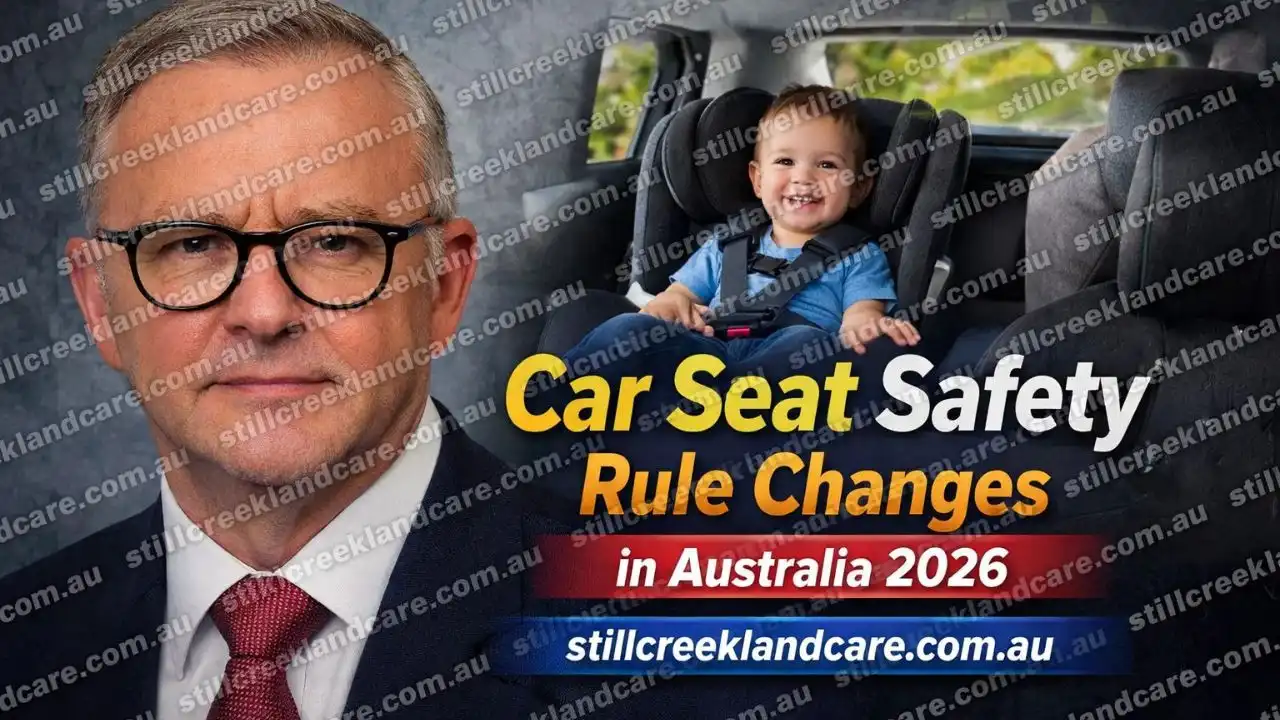
Safety aspects concerning child restraint laws need to be addressed if vehicle occupant protection is to be improved drastically. Sydney School of Public Health recently conducted research, collecting data from 8 children aged between one and seven years.
It is strikingly distressing that only 5 percent of these children wore age-appropriate restraints. Eight belonging to the First Generation crew wore their helmets during the trip by economy; one of them with a braid. Previous national restraint research studies have revealed poor awareness concerning the nut-bolts of restraint safety. With the Engaged Generation, most adults do not consider it necessary.

Safety Standards Debate On the Run
Interstate review of child restraint laws has become vital, as the National Transport Commission, responsible for them, seeks remodel of the existing laws. Considering the last piece of over a decade passed without any major upgrade to the laws, the purpose of that review is to bring these inept rules up-to-date-with regard to contemporary vehicle technology and improved child seat designs.

The guidelines for proper conversion between the different types of seats should be developed along with some additional safety considerations on rideshares and other special circumstances.

A Giude towards Court Rulings
But while enforcement can take the limelight, the basic rules remain in place for 2026. While restraining children in approved restraints according to their age and size. Infants must be in a rear-facing seat, whereas a forward-facing seat and booster seat are their next options along the way to growing up. All restraints must comply with Australian standards; thus, the terms and conditions shall be the same as to every protection for innocent people.

More Important to Be the Right Size
A pivotal change in 2026 saw an increased push toward using car seats based on the child’s height and weight other than age. Safety experts propose leaving children in the tougher restraints for as long as possible, even if they might seem to be the required age to enter into the next category. Sizing of seat belt fits is very crucial to the advice children should stay on the booster seats until they are tall enough for the sash belt to come down onto the hips.
Strengthening Restrictions for Front-End Seats
The legislation regarding child seating locations in a vehicle has also been strengthened. It is strongly recommended that young children sit in the rear seats: These are regarded as the safest positions within a car. The front seat also of is restrictions w.r.t young age groups until certain conditions are met. These restrictions are being followed more zealously by police officers to ensure adherence and enhance the safety of the child as a whole.
Increased Penalties and Driver Responsibility
Rather, drivers are obliged by law to make sure children in their care are properly restrained. Following the 2026 law’s effect, non-compliance fines and demerit points bore down upon anywhere the incident arose for ANY wrongedful act; that is, whether on unrestraint or level “inadequacy” in their use.